Playful Paths to Stronger Classrooms

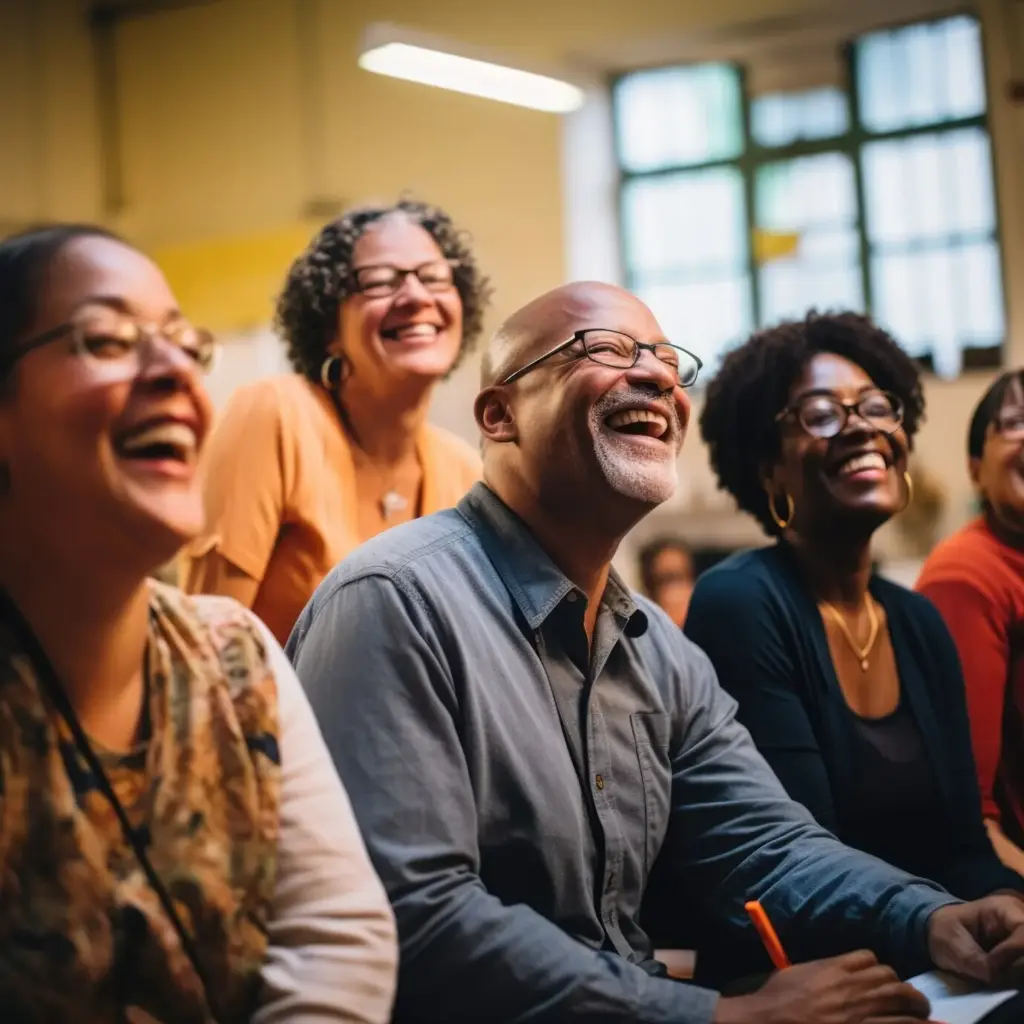
Today we explore gamified lesson design for collaboration and conflict resolution, blending playful mechanics with compassionate pedagogy. Expect quests, roles, and feedback loops that nurture empathy, shared problem‑solving, and restorative dialogue. We will connect evidence‑based strategies with classroom realities, offering actionable stories, templates, and reflections you can adapt tomorrow to cultivate cooperation and repair harm.

Design Principles that Build Cooperation

Effective playful learning begins with alignment: mechanics must serve social goals, not distract from them. Anchor objectives in positive interdependence, autonomy, and competence, then scaffold roles, resources, and communication protocols. Structure visible norms, transparent scoring, and clear win conditions that reward collective progress, shared decision‑making, and equitable participation across diverse learners.

Game Loops for Peaceful Problem‑Solving

Design core loops that surface disagreement safely: notice tension, name needs, generate options, evaluate trade‑offs, decide, act, and reflect. Embed checkpoints, team huddles, and restorative circles inside missions. Iterative cycles let learners practice negotiation repeatedly, receive timely feedback, and witness the cumulative effects of cooperative choices.

Stories, Worlds, and Motivating Narratives

Compelling fiction can gently hold difficult conversations. Build settings where shared resources, cultural rituals, and community histories matter, so choices carry social consequences. When learners co‑author narratives, they practice empathy, reframe conflict as solvable, and experience how cooperation reshapes worlds, reputations, and futures inside and beyond the classroom.

Worldbuilding with Shared Stakes

Design a living map, economy, and ecology that respond to collective decisions. Droughts, festivals, or shifting alliances emerge from team actions, making mutual dependence visible. Players learn that fair agreements and inclusive processes stabilize communities, while secrecy and domination produce fragility, resource loss, and long‑term narrative setbacks.

Character Arcs that Practice Empathy

Offer backstories, bonds, and secret objectives that invite perspective‑taking without stereotyping. Growth occurs when characters voice needs, establish boundaries, and renegotiate commitments after mistakes. Structured dialogues and reflection prompts connect fictional choices to real relationships, letting students rehearse compassionate language and celebrate repaired trust, not just heroic outcomes.

Assessment, Data, and Fair Scoring

Measure what matters by prioritizing collaborative processes and conflict repair over raw speed or individual dominance. Combine observation notes, peer feedback, self‑assessment, and artifact review. Translate evidence into transparent XP, badges, or narrative privileges that signal growth in empathy, communication, and problem‑solving without incentivizing performative kindness or superficial compliance.

01

Rubrics that Measure How Teams Grow

Co‑create criteria capturing listening, equity of voice, conflict navigation, and shared planning. Include developmental descriptors and concrete behaviors, not vague labels. Rubrics become coaching tools when paired with exemplars, sentence starters, and reflection questions that help learners notice progress, set goals, and rehearse healthier responses during future disagreements.

02

Evidence Beyond Points

Collect team charters, negotiation transcripts, annotated decision logs, and repair agreements. Short audio reflections capture tone and nuance often missing from score sheets. Triangulating data reveals patterns, surfaces blind spots, and honors unseen labor, while still allowing playful rewards that meaningfully represent cooperation, resilience, and commitment to community wellbeing.

03

Badges that Celebrate Repair

Design visual markers for meaningful reconciliation, like “Perspective‑Bridge,” “Listening Champion,” or “Fair‑Deal Architect.” Earned through documented actions and peer validation, these recognitions spotlight restorative effort rather than perfection. Public celebration of repair motivates consistent care, normalizes apology, and reframes conflict as an opportunity to strengthen trust and belonging.

Inclusive Access and Psychological Safety

Every learner deserves entry points that honor identity, ability, and readiness. Apply Universal Design for Learning, trauma‑informed practices, and anti‑bias principles alongside playful systems. Provide multimodal options, flexible pacing, and content warnings. Normalize consent, check‑ins, and boundaries so courage grows, harm reduces, and collaboration remains genuinely voluntary and humane.

Facilitation, Debriefs, and Classroom Flow

Educators guide energy, language, and boundaries like skilled game masters. Set expectations, rehearse protocols, and monitor dynamics in real time. Use pre‑briefs to prime mindsets, then debriefs to transform events into learning. Strategic pauses, modeling vulnerability, and supportive coaching sustain momentum while honoring emotions and emerging relational needs.

Toolkits, Classroom Trials, and Community Exchange

Take these ideas into your next lesson with ready prompts, printable safety cards, and adaptable quest templates. Pilot small, collect stories, and refine together. Share successes, glitches, and edge cases in the comments so we can iterate openly, celebrate progress, and co‑create richer cooperative experiences for every classroom.
Vupunirutari
Privacy Overview

This website uses cookies so that we can provide you with the best user experience possible. Cookie information is stored in your browser and performs functions such as recognising you when you return to our website and helping our team to understand which sections of the website you find most interesting and useful.